
The Trial’s Competing Stories
The ReaderThe proceedings shift from a shared account of camp actions to a contest over who led, who knew, and who can be blamed.
increasing Bearing strength in each event
 decreasing
Bearing strength in each eventdecreasingA Difficult Indictment
Charges in the Subjunctive
Allegations on Record
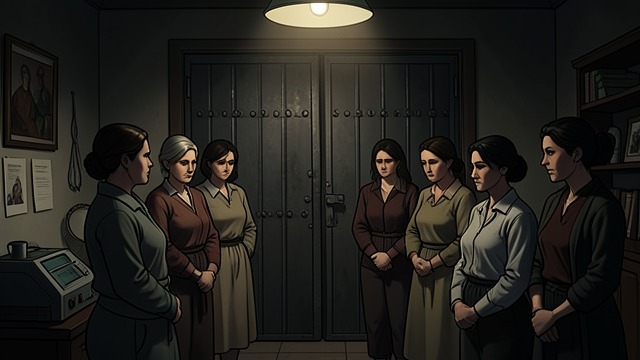
The indictment takes a day and a half to read and describes the defendants’ actions in cautious legal language. Hanna is one of five women accused of serving as guards at a satellite camp near Cracow.
Evidence and Uncertainty
The prosecution relies heavily on a survivor mother, her daughter, and the daughter’s memoir. The witnesses can describe suffering but cannot always identify which guard made each decision.
The Other Defendants Deny
Collective Action Disputed
Hanna’s Admission
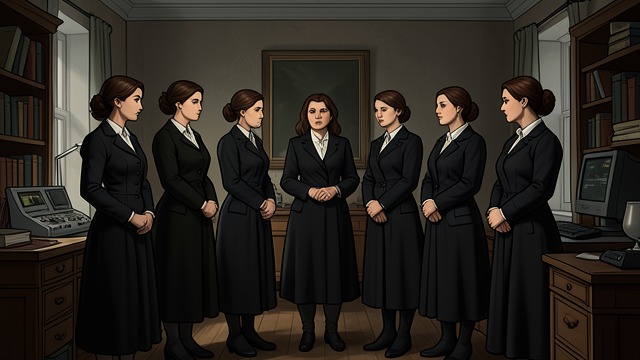
The other defendants deny involvement in selections, while Hanna admits that the guards chose prisoners together. She says they agreed on numbers and sent weakened women back to Auschwitz.
A Defense Put at Risk
Her candor damages the shared defense and unsettles the other defendants. The court hears a straightforward admission where the other women offer denial and legal ambiguity.
Favorites Revealed
Care and Suspicion
The Daughter Speaks
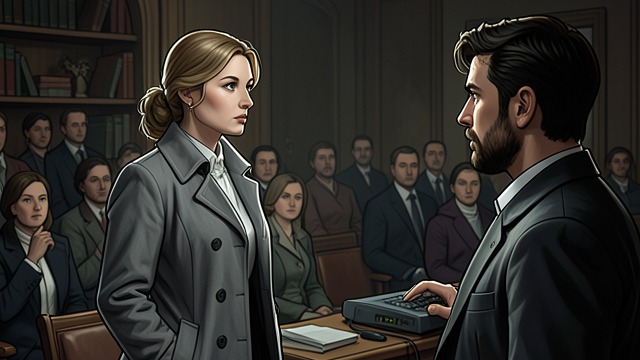
The surviving daughter recalls that Hanna favored young, weak prisoners, protected them from labor, and asked them to read aloud. She says those prisoners were eventually sent away, and questions whether their temporary care made anything better.
A Look Across the Courtroom
Hanna turns toward Michael, who silently hopes she will explain that she meant to make the girls’ last month bearable. She says nothing, leaving care, power, and harm intertwined without an answer.
The Report Becomes Proof
A Written Account
Records Contradict Denial
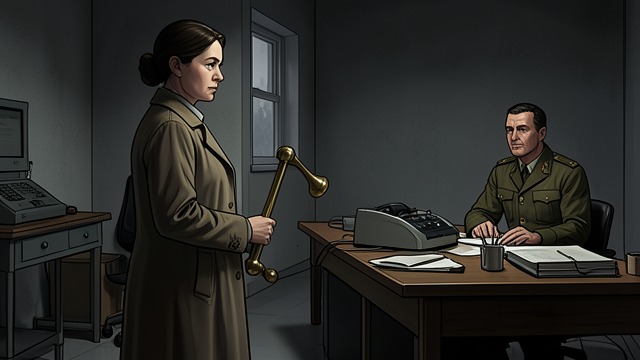
An SS report lists the dead and wounded and suggests guards stayed behind to prevent escapes. The defendants dispute its account and describe their confusion after the bombing.
Hanna Accepts Authorship
Another defendant accuses Hanna of writing the report and dragging the others into blame. When the court proposes handwriting analysis, Hanna admits she wrote it, giving the accusation a focal point.
Hanna as Leader
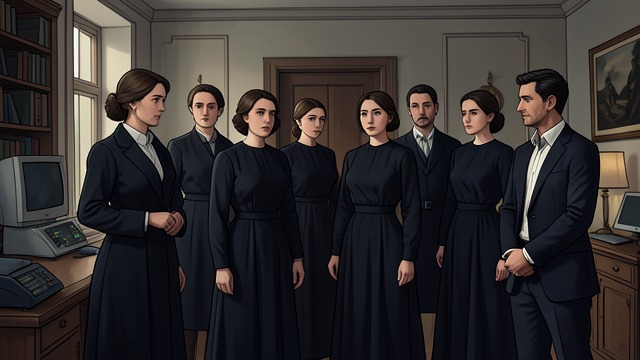
Blame Consolidates
A Convenient Hierarchy
The other defendants claim Hanna pressured them and made the decisions. Villagers cannot establish who spoke for the guards, and the image of a leader helps them explain their own failure to intervene.
The Court’s Fatigue
Hanna continues to admit what she believes true and dispute what she believes false, but eventually gives up arguing. The court’s attention shifts toward finishing the case, while Michael experiences the proceedings as only beginning for him.
The second week of the trial
During testimony on the prisoner selections
After another defendant’s lawyer questions Hanna
During testimony about the church fire
The final phase of the trial
